At the close of every year, for over a decade, I have taken a moment in to reflect upon the year’s publications. Like in previous years, my “most engaging books” list reflects what I found most fascinating / useful / generative in terms of form & content from the books I read in 2020.
Seek out these volumes; every one will reward the search (your local, independent, bookstore can help; an excellent choice as many are struggling under the pandemic). This is the cream of the crop for 2020, seriously:
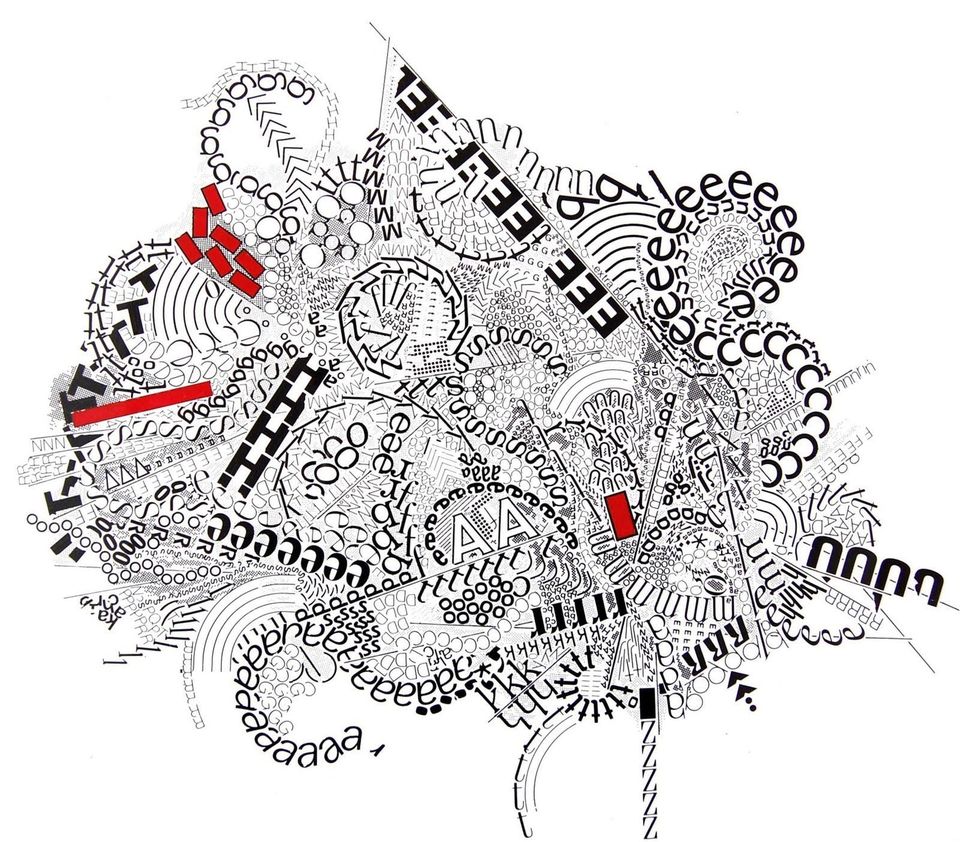
In 2014, I collaborated with Natalie Czech on the creation of her series of work based on Guillaume Apollinaire’s “Il Pleut.” Czech asked that each of her collaborators were asked to imagine Apollinaire’s poem like a fossil, and to create the slate which might surrounding the poem, embedding the poems- each letter in precisely the correct place of the original – while constructing a legible, poetic, text.
Czech’s resultant photographic work is below, as well as a transcript of my sculpted, chiseled, text:
IL PLEUT
Poets writhe and skitter their etched glyphs across a miasmic void. A writing of ached poetic aver letters as needed, a soft scream of an alien relic element that cynics dismiss as unneeded and dated. A contemporary easel for a wry orato which rejects words; nothing but the petulant act of a crying, ugly, under-realized opportunity for an atonal screech. This poetry entreats the poet to reject letters and use an eerie vexed visual sabotage to express a new language of signs; an abused scrap of relics and neon. The florescent remnants scatter along tempered Duchampian sheets of transparent glass, each mote of dust finely embossed in uneasy indigo. The linguistic rubble that poets deem contemporary arrests late-millennium lyricism in favour of a poetic exploration agitating the broken phonemes into brick-worked sentences. Ulcerate text, purge emotion and narration and instead accept symbols’ odes to italics, roman and bold as the start of new verse. Alephs now glow alien; they highlight the Tokyo skyscape colouring in silent scraps unravelling tendrils of text. Each poetic inscription is an elated astral beacon signaling a dead product. Lexicons beg, quiver beadlike. Atoms recombine, adrift in the neon narration of nebulae, erased stenographers of poetic detritus. Abandon dictionaries in the ether: alter linguistic expectations to include the asteroid lashes singing noise in the void. Listen to the digital alphabet fracture and pule esoteric icons narrating the regret and dismay of electronic telephones. Texts, erasing their referents, are maniacally maimed, scattered and with no architecture. Like puzzles fractured mercilessly, austere pierce query Queneau’s workshop for poems created exactly. Stolen trinkets unlawfully liberated. Poetic embrace of slogans, logos and ideogrammes get internet-savvy users a poetry written in this mashup nanosecond. Every splintered image promotes concrete poems, evanescent epaulets set to glint and gleam upon the barons of dying armies. Exotic jewels elegize the rubble of crumbling media. These verboten belches of indigestible letters eulogize chrome logos. Abject eruptions write bored hymns to apples and swooshes, empires and kisses. Each a decree reading poetry in pointing, sublimity in sigils. Abrased images abstract into elegant poesie und konstellations alight in flatscreen radiance. Noigandres dreams of idealist literature launches series of verbivocovisual attempts to write broadly brutal poems. Aesthetic knots of letters most resemble reimagined prisms and not literature. Now, with facebook, twitter, linkedin and e-books narratives with elegant pixels crowd our e-mail inboxes. These alluring digital conundrums teeter between the culinary and the super-market; between poetry and product placement. Surrounding our commutes and launching our desires, branding is our Esperanto. Abject, lost, this environment of ennui must give the poet pause. Admen beat poets, designers undo writers. Poets must strive to write abject taciturn trademarks for oneiric businesses. Each abstract neo-logo twists and decays the supposed poetic qualities inherent in contemporary ads. Database applets and wiki-scraping access bodies of texts. Abundant ballads squawked from stock reports. Abandon poetry! Produce unproductive widgets of text. Each screw and bolt fastens letters building a new vocabulary. The Calligramme cries over poetry’s body. Guillaume embraces each weep and wail, each murmur and moan. His writing moves poetry onto the gallery walls. A void, dry, pallid page written in Letraset; oily smears of old advertising heave serifs. Adverts, the wreckage casting shadows across the corpse of poetry, demand the ululations of writers include appeals to PC and Mac. The rivulets rain down the page; the letters streak and gather. Cascading letters bubble and froth; they gibber and squeak. Stormclouds blacken and strafe the page. The poems memorialize invasions and stalemates; a bas Guillaume! Each letter howls in grief. When earth herself can no longer suffer the lamentable whimpers of poets. The squawk of signs and names; the notices and sirens. The poem veils the newspaper, every article a grip of flowering wounds. Inside each letter nestles a bullet; a lit grenade about to unfurl in splinters of stems, bars and baselines. Apollinaire’s bandages conceal the surrealist birth place of the modern century. That wound released a writing free from linearity; freed from syntax. The author bleeds, oozing across the page. Thousands of injuries each article; unwinding a white bandage into a new page. Each slogan and text, every headline and email unfurls the bandages. Literature flickers on the blue glistening screen as pixels pour and streak. Digital glyphs adrift in raining cascades. These bandages flutter aimlessly, agonizingly revealing the scabs and clots. Atrophying text tumbles, trickles, pools and stains. Poetry is an absurd act of cultural tediousness. Teeming tweets and swaying GIFs virtually erase poetry. Placating smudges and smears replace the poem. Concrete slogans and animated ads push poetry to absorb new techniques and new material. Instead of inspiration, poets become machines who embrace the sheer amount of quotidian language. Apollinaire’s droplets streak an eerie conceptual path on the looking-glass of literature. The baubles each reflect, in uncanny distortion, the slogans and logos which haunt our dreams.
No Press is excited to announce the publication of:
TWENTY-FIVE TYPEWRITERS
TWENTY-FIVE TYPEWRITERS brings together 25 exciting poets each exhibiting a different perspective on the typewriter as a compositional tool. TWENTY-FIVE TYPEWRITERS features work by Charles Bernstein, Ege Berensel, bill bissett, Amaranth Borsuk, Judith Copithorne, Joy Drury Cox, Brian Dedora, Paul Dutton, Amanda Hurtado, Nasser Hussain, Karl Kempton, Dirk Krecker, Brandon Locher, bpNichol, Lina Nordenstrom, Astra Papachristodoulou, Fatima Queiroz, petra schulze-wollgast, Dani Spinosa, Kevin Stebner, Hiromi Suzuki, Barrie Tullett, CDN Warren, Sam Winston, and Julia Ziegler.
This limited edition of 75 copies (only 49 of which are for sale) will go very quickly and is available for $10 including postage. To order your copy email derek@housepress.ca
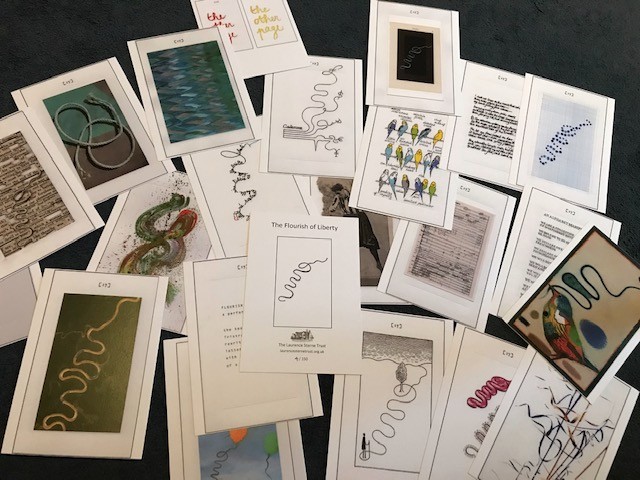
order your copy of FLOURISH OF LIBERTY, and support Shandy Hall ; an exceptional collection of visual responses to ‘The Flourish of Liberty’ in Tristram Shandy (Vol IX p.17), only 47 copies available for purchase.




 derek beaulieu's blog